
The cultural impact of gambling Shaping societies and traditions
The Historical Context of Gambling
Gambling has roots that stretch back thousands of years, forming an integral part of many ancient cultures. From the dice games of Mesopotamia to the lottery systems in ancient China, these activities were not merely seen as pastimes but as social rituals that helped shape community interactions. The historical significance of gambling is evident in its influence on various social structures, economies, and even governance, where it often served as a method for resource allocation and social bonding. Today, people can enjoy australian online pokies, reflecting this rich tradition in a modern format.
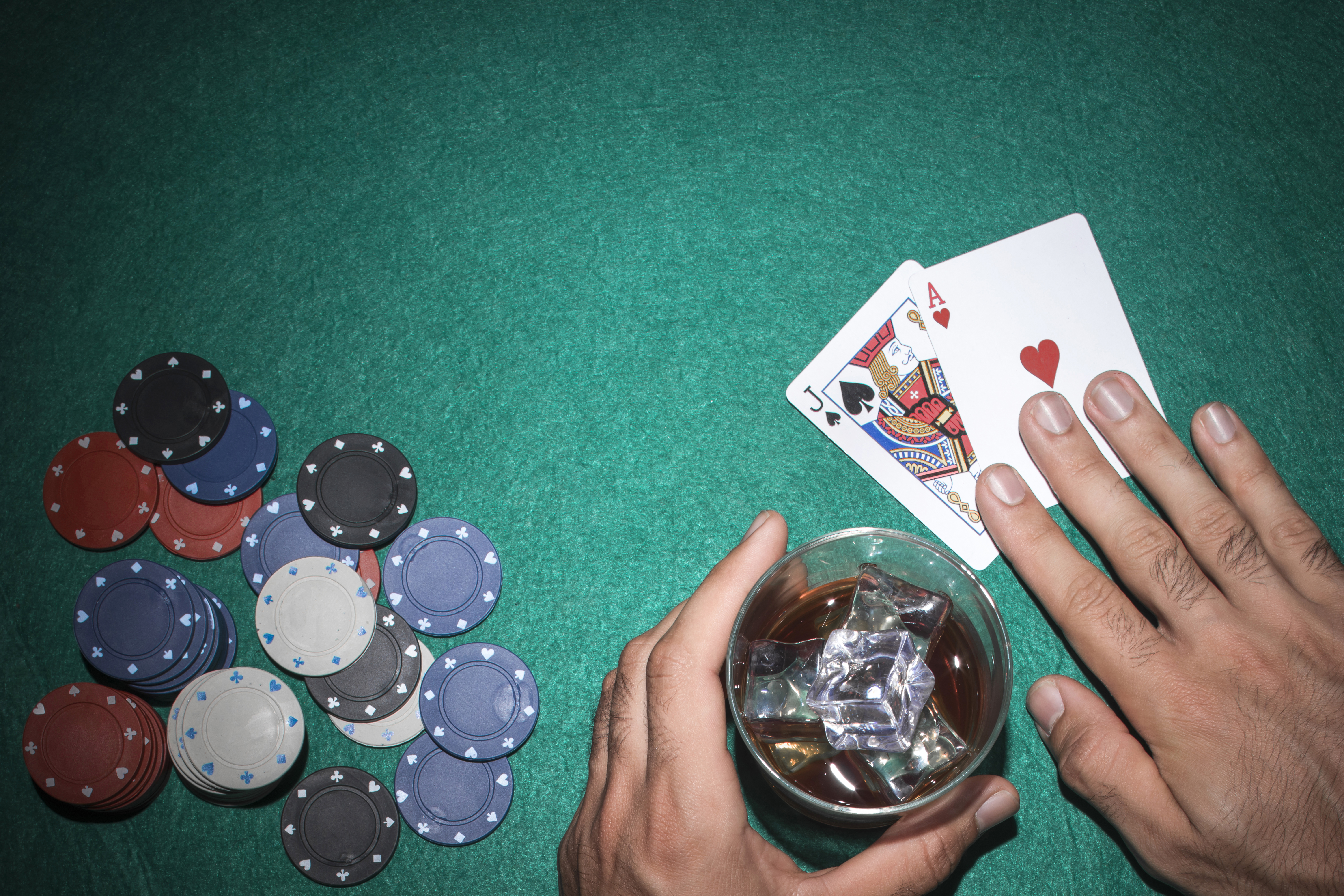
In many societies, gambling transcended mere entertainment; it became a way to reinforce community ties and cultural identity. Festivals and gatherings frequently featured gambling as a central activity, allowing people to engage and connect with one another. This cultural embedding has allowed gambling practices to evolve while maintaining their social significance across generations, reinforcing collective values and traditions.
The Role of Gambling in Modern Society
In contemporary times, gambling has transformed with technological advancements, becoming more accessible than ever. Online platforms have revolutionized how people engage with gambling, offering a range of options from sports betting to online casinos. This accessibility has created new social dynamics, wherein individuals can partake in gambling activities from the comfort of their homes, fostering both community and isolation. As important as the excitement may be, discussions about gambling addiction awareness are crucial to ensure balanced engagement.
Moreover, modern gambling has become a significant economic driver for many regions, generating jobs and tax revenues. However, this economic impact often sparks discussions about responsible gambling and the potential for addiction. As societies adapt to these changes, the challenge lies in balancing the economic benefits with the need for awareness and support systems for those affected by gambling addiction.
Cultural Perceptions and Stigmas
The cultural impact of gambling is often accompanied by varying perceptions and stigmas. In some cultures, gambling is viewed as a legitimate form of entertainment and a way to socialize, while in others, it is seen as a vice that leads to social decay. This dichotomy reflects broader societal values and beliefs about risk, luck, and moral behavior, influencing how individuals engage with gambling practices.
Furthermore, the stigma surrounding gambling addiction can hinder open discussions about the issue. As gambling continues to permeate various aspects of culture, it is crucial to foster conversations that emphasize awareness and understanding. Promoting responsible gambling practices and supporting those struggling with addiction can help mitigate the negative cultural impacts and encourage a healthier relationship with gambling.
The Influence of Gambling on Art and Literature
The cultural significance of gambling extends into the realms of art and literature, where it serves as a potent theme. Numerous authors and artists have drawn inspiration from gambling, illustrating its complexities and the human condition’s interplay with chance. Works of fiction often explore themes of risk, reward, and the moral dilemmas associated with gambling, providing insight into societal values and individual motivations.
Moreover, gambling motifs can be seen in various art forms, from visual arts to music, reflecting its role as a cultural touchstone. These creative expressions help encapsulate the multifaceted relationship between gambling and human experience, making it a compelling subject that continues to resonate with audiences across different mediums.

Exploring Responsible Gambling Awareness
As the gambling landscape evolves, it is increasingly essential to prioritize responsible gambling practices. Awareness initiatives play a crucial role in educating individuals about the risks associated with gambling and the signs of addiction. By fostering a culture of responsibility and openness, societies can better address the challenges posed by gambling while celebrating its cultural contributions.
Organizations and platforms dedicated to promoting responsible gambling provide valuable resources and support for those in need. By increasing accessibility to information and fostering community discussions, these efforts can help mitigate the adverse effects of gambling while allowing individuals to enjoy it responsibly. As more people engage with gambling, the emphasis on awareness and support will shape healthier attitudes and practices within society.