
The evolution of casinos tracing back to their origins and transformations
Origins of Gambling and Early Casinos
The concept of gambling dates back thousands of years, with evidence found in ancient civilizations such as the Chinese and Egyptians. These societies utilized rudimentary games of chance involving dice and betting on various outcomes. The earliest known gambling house, or “casino,” appeared in Italy during the 17th century. This establishment set the foundation for modern gambling venues, creating a space where patrons could engage in games of chance and social interaction. Online platforms like Betflare Casino have transformed this experience further.
As gambling gained popularity in Europe, particularly among the aristocracy, casinos began to flourish. The Casino di Venezia, established in 1638, is considered the oldest continuously operating casino in the world. These early venues catered to elite clientele, featuring luxurious decor and high-stakes games. Their exclusivity contributed to the allure of gambling, reinforcing its status as a prestigious pastime.
Throughout the 18th and 19th centuries, gambling spread across Europe and the Americas, leading to a proliferation of casinos. However, this period also saw the rise of regulation and legislation aimed at curbing gambling activities. While some regions embraced casinos as a form of entertainment, others imposed restrictions, leading to a complex relationship between society and gambling institutions.
The Rise of Modern Casinos
The late 19th century marked a significant turning point in the evolution of casinos, with the establishment of gambling resorts in places like Monte Carlo. These luxury destinations attracted wealthy visitors from around the globe, offering not just gaming but also lavish accommodations and entertainment. This development revolutionized the casino experience, transforming it from a simple gaming house into a multifaceted entertainment hub.
The introduction of new games, such as roulette and blackjack, added excitement and variety, appealing to a wider audience. The architectural grandeur of casinos became a hallmark of their identity, with establishments designed to impress and entice patrons. This era also saw the birth of casino culture, where social norms around gambling and entertainment began to take shape, influencing how individuals interacted with these establishments.
As the 20th century approached, casinos began to face increased scrutiny and regulation, leading to the establishment of gaming commissions to oversee operations. This move aimed to ensure fairness and security for players, creating a more trustworthy environment. By the mid-20th century, Las Vegas emerged as the gambling capital of the world, showcasing the potential for casinos to serve as vibrant economic engines while simultaneously attracting millions of visitors annually.
The Technological Revolution in Gambling
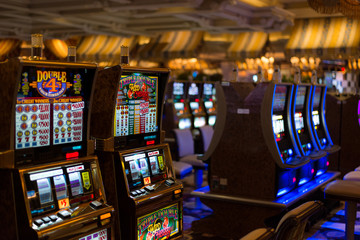
The advent of technology has significantly transformed the casino industry, especially in recent decades. The introduction of electronic gaming machines, such as slot machines, revolutionized the gambling experience, allowing for instant play and increased payouts. These machines quickly became a staple in casinos, drawing in players with their bright lights and engaging sounds. The convenience of electronic games made gambling accessible to a broader audience, changing the landscape of casinos.
With the rise of the internet in the late 20th century, online casinos emerged, further reshaping the gambling industry. These platforms offered players the convenience of gaming from home, with a wide array of games available at their fingertips. Online casinos quickly gained popularity, leading traditional casinos to adapt and incorporate digital elements into their offerings. This shift highlighted the importance of technology in attracting new players and enhancing their gaming experiences.
In recent years, advancements such as virtual reality and mobile gaming have pushed the boundaries even further. VR technology allows players to immerse themselves in a simulated casino environment, while mobile apps enable gambling on-the-go. These innovations demonstrate the industry’s commitment to integrating cutting-edge technology, enhancing user experience, and keeping pace with changing consumer preferences in an increasingly digital world.
The Impact of Regulation and Legislation
As casinos evolved, so too did the regulatory landscape surrounding them. Governments recognized the potential economic benefits of legalized gambling, leading to the establishment of laws and regulations governing casino operations. This move not only ensured fairness and security but also addressed concerns regarding problem gambling and its societal implications. Regulations vary widely by region, reflecting cultural attitudes towards gambling.
The introduction of responsible gambling initiatives has been a significant aspect of modern regulation. Casinos are now encouraged to promote safe gambling practices, providing resources and support for individuals who may struggle with addiction. Many jurisdictions require casinos to contribute to funds that support treatment programs, underscoring the industry’s acknowledgment of its social responsibilities.
Moreover, the rise of online gambling has prompted regulatory bodies to adapt existing frameworks to address the unique challenges presented by internet gaming. This includes age verification, financial transparency, and player protection measures. As technology continues to advance, ongoing discussions about regulation will play a crucial role in shaping the future of casinos, balancing economic interests with public welfare.

Exploring Online Casino Experiences
With the digital age in full swing, online casinos like Betflare have emerged as leaders in the gaming industry. Offering over 7,500 diverse games, including slots, table games, and live dealer experiences, these platforms provide a seamless and engaging user experience. Designed to replicate the luxury of traditional casinos, online venues emphasize both convenience and security, attracting players from around the world.
New users can benefit from generous bonuses, such as a welcome package and free spins, making the online gaming experience even more appealing. The 24/7 customer support and various secure payment options ensure that players can engage with confidence. This commitment to player satisfaction has solidified online casinos as a key player in the gambling landscape, providing opportunities for entertainment and excitement anytime, anywhere.
The future of casinos is undoubtedly intertwined with the evolution of technology and online gaming. As platforms like Betflare continue to innovate, players can expect even more thrilling opportunities, enhanced experiences, and a commitment to responsible gaming. The transformation of casinos from their origins to the present day showcases the dynamic nature of this industry and its ability to adapt to changing preferences and technologies.